
Dental Implants in grand island, NE
If you’re looking for a long-lasting solution to missing teeth, dental implants are an excellent choice. At Anderson Dental Care in Grand Island, NE, we offer state-of-the-art implant dentistry to restore your smile and confidence. We also have a specialist who we use for some implant cases.
What are Dental Implants?
Dental implants are a permanent solution to missing teeth that look, feel and function like natural teeth. it is important to note that they still have to be cared for like natural teeth–brushing and flossing is mandatory.
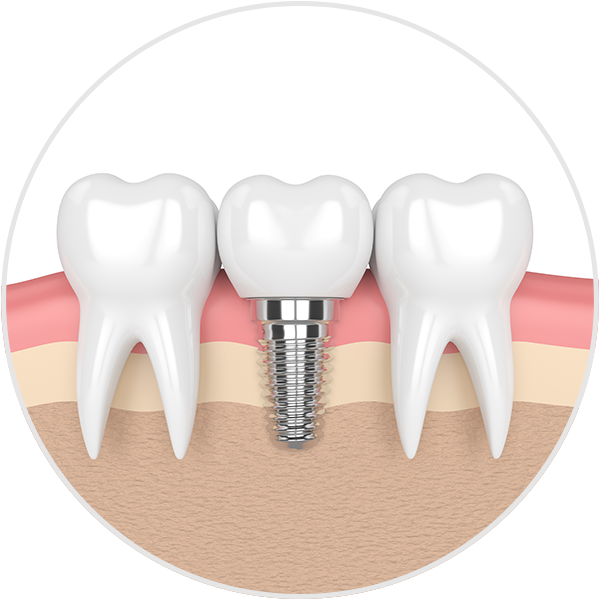
The implants are tiny titanium posts which are placed into the jaw bone where teeth are missing. Unlike other tooth replacement options, implants fuse with your natural bone, offering unmatched stability and durability. In addition, dental implants can help preserve facial structure, preventing the bone deterioration which occurs when teeth are missing.
You can get dental implants to replace one tooth, an entire arch, or a complete set for your whole mouth. Keep in mind that you may need any remaining teeth extracted if you choose to get a full arch replacement.
Dental implants are changing the way people live! With them, people are rediscovering the comfort and confidence to eat, speak, laugh and enjoy life.
Evaluation for Dental Implants
If, like many others, you feel implant dentistry is the choice for you, we ask that you undergo a dental/radiographic examination and health history. During these consultation visits, your specific needs and considerations will be addressed by either Dr. Anderson or by an Oral and Maxillofacial Surgeon referred by our practice. Your questions and concerns are important to us and our team will work with you very closely to help make your procedure a success.
Benefits of Dental Implants
Dental implants offer several advantages over other tooth replacement options:
- Natural Appearance: Implants look and feel like natural teeth, giving you the BEST looking smile that you can feel confident with.
- Durability: With proper care, implants can last a lifetime. Crowns may need to be replaced if they are damaged, but your implants will stay with you for decades.
- Improved Functionality: They restore full chewing ability and speech clarity. (There may be an adjustment period for a few weeks after you get your implants)
- Bone Health: Implants stimulate the jawbone, preventing bone loss that often occurs after tooth loss. This can prevent a pre-mature look of aging in your face.
- Convenience: Unlike dentures, implants are fixed in place and require no adhesives. You can floss and brush them just like regular teeth, with little to no maintenance.
Dental Implant Procedure
For most patients, the placement of dental implants involves two surgical procedures.
First, dental implants are placed within your jaw bone. For the first three to six months following surgery, the implants are beneath the surface of the gums, gradually bonding with the jaw bone. You should be able to wear temporary dentures and eat a soft diet during this time. At the same time, your restorative dentist designs the final bridgework or denture, which will ultimately improve both function and aesthetics.
After the dental implant has bonded to the jaw bone, the second phase begins. Dr. Anderson or your referred oral surgeon will uncover the implants and attach a small healing collar. Dr. Anderson can then start making your new teeth. An impression must be taken. Then posts or attachments can be connected to the implants. The replacement teeth are then made over the posts or attachments. The entire procedure usually takes six to eight months. Most patients do not experience any disruption in their daily life.
Dental Implant Recovery Timeline
Day 1–3: Initial Healing
- What to Expect: Mild discomfort, swelling, and minor bleeding around the implant site.
- Aftercare Tips: Use ice packs to reduce swelling, take prescribed or over-the-counter pain medications, and stick to soft foods like soup, yogurt, or mashed potatoes. Avoid using a straw or smoking to prevent complications.
Week 1: Early Recovery
- What to Expect: Swelling and discomfort should subside significantly by the end of the week. The implant site may feel tender but manageable.
- Aftercare Tips: Continue practicing good oral hygiene, gently rinsing with a saltwater solution to keep the area clean. Stick to soft foods and avoid chewing on the implant site.
Weeks 2–6: Osseointegration Phase Begins
- What to Expect: The implant starts fusing with the jawbone in a process called osseointegration. You should feel little to no discomfort during this period.
- Aftercare Tips: Resume a normal diet as the area heals, but avoid very hard or sticky foods. Maintain regular brushing and flossing.
Month 2–3: Healing Continues
- What to Expect: Osseointegration continues, strengthening the implant. Your dentist will monitor the progress during follow-up visits.
- Aftercare Tips: Maintain good oral hygiene and attend all scheduled checkups to ensure proper healing.
3–6 Months: Final Restoration
- What to Expect: Once osseointegration is complete, your dentist will attach the abutment and place the custom crown, bridge, or denture. Your implant is now fully functional and looks like a natural tooth.
- Aftercare Tips: Follow your dentist’s recommendations for care and continue routine dental visits to maintain your implant and overall oral health.
Every patient heals at a slightly different rate, so your recovery timeline may vary. Factors such as your oral health, the number of implants, and adherence to aftercare instructions can affect the healing process. Always contact Dr. Anderson if you experience unexpected pain, swelling, or complications during recovery.
Can You Smoke After Getting Dental Implants?
It is essential to your healing that you DO NOT SMOKE, VAPE, OR USE TOBACCO products when you get dental implants. Using these products can seriously impede your healing process and may cause a rejection of the implant. This can lead to open sores in the mouth, infections, and you will likely not be able to get dental implants again. Protect your investment and DON’T SMOKE!
Are Dental Implants Worth the Cost?
While the upfront cost of dental implants may seem daunting, understand that these implants are a permanent “set it and forget it” solution to tooth loss. Dental implants are worth the cost because:
1. Long-Lasting Solution
Dental implants are designed to last a lifetime with proper care. Unlike dentures or bridges that may need frequent replacements, implants provide a durable and permanent solution to tooth loss, making them cost-effective over the long term. No sticky denture adhesive needed!
2. Restore Functionality
Implants function like natural teeth, allowing you to eat, speak, and smile with confidence. They provide unmatched stability compared to dentures, ensuring you can enjoy all your favorite foods without worry.
3. Prevent Bone Loss
When a tooth is lost, the underlying jawbone can deteriorate over time. Dental implants stimulate the bone, preventing bone loss and preserving your facial structure, something no other tooth replacement option can achieve. This helps you look younger longer!
4. A Natural Look and Feel
Dental implants are customized to match the appearance of your natural teeth, providing a seamless and aesthetically pleasing result. They feel so natural that most patients forget they’re even there.
While dental implants may seem expensive upfront, their benefits far outweigh the costs. By choosing dental implants, you’re investing in a solution that enhances your oral health, confidence, and overall well-being for years to come.
Ready to Schedule a Consultation?
Dr. Anderson offers a number of dental treatments that can keep your mouth healthy and your smile beautiful. Contact us today!